A practical guide to matching battery capacity, output power, charging speed, and safety features with real home backup needs.
Why capacity matters
Battery capacity tells you how long essential devices can run. A 2048Wh class power station is a strong fit for refrigerators, routers, lights, CPAP machines, laptops, and smaller kitchen devices during short outages. Start with the devices you truly need, check their wattage, then multiply by the number of hours you want them to stay online.
Output power is just as important
Capacity is only half of the decision. Rated output determines what the power station can actually start and run. A 2000W pure sine wave inverter gives more room for appliances with startup surges, power tools, and sensitive electronics that need stable current.
Look for safe battery chemistry
LiFePO4 batteries are popular for home backup because they are long lasting, thermally stable, and designed for many cycles. If the power station will sit ready in a hallway, garage, office, or utility room, cycle life and safety should matter as much as peak numbers.
Charging options reduce downtime
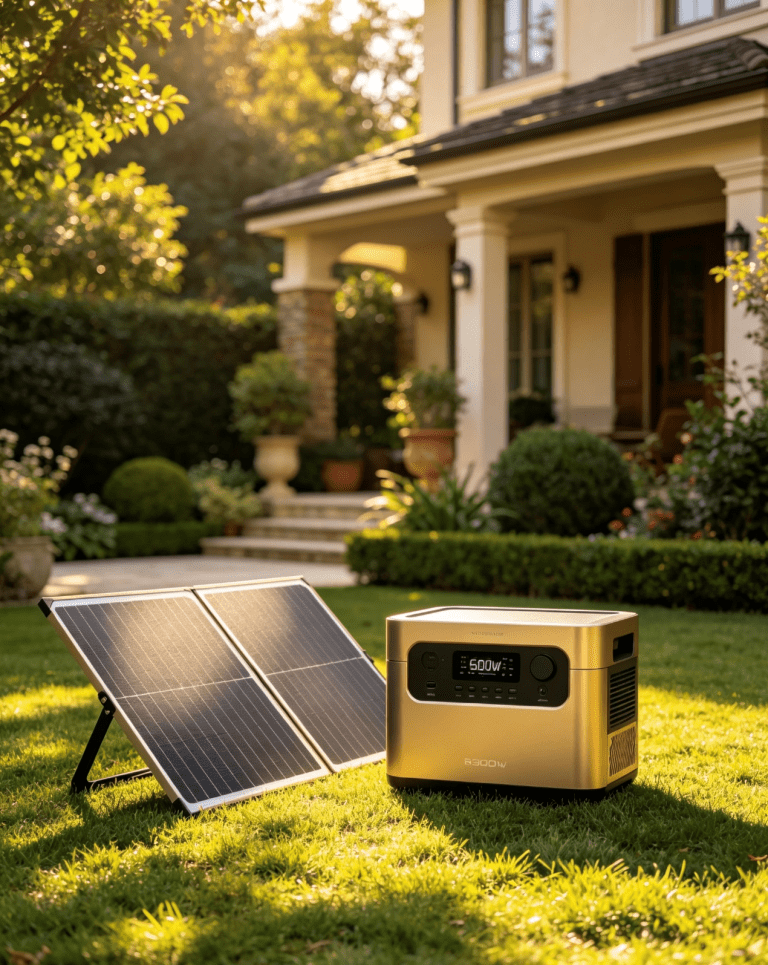
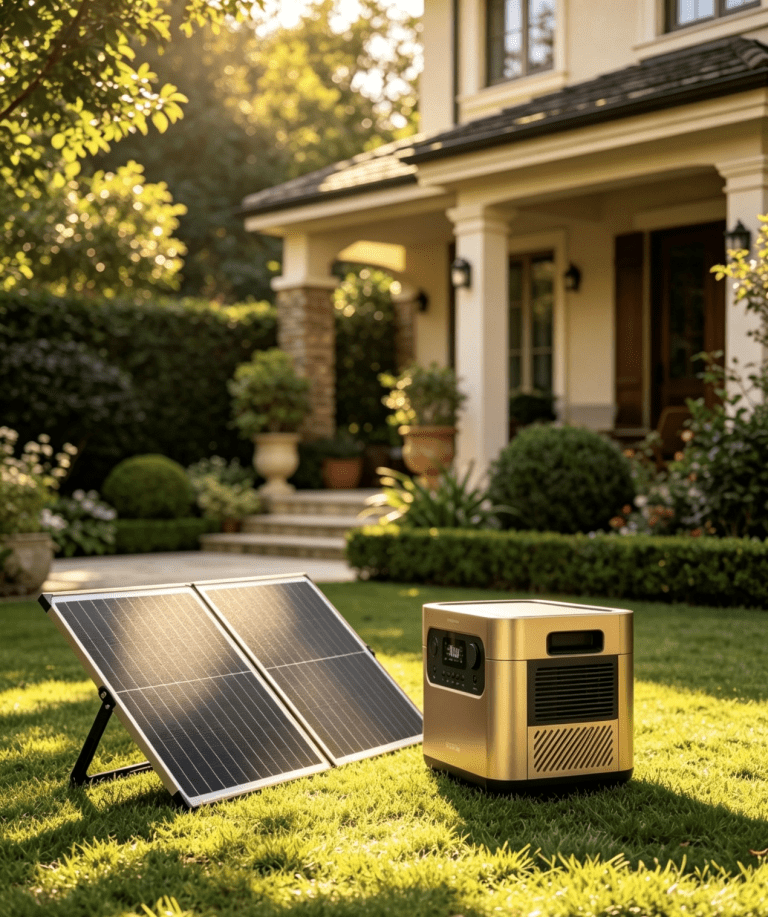
A useful backup system should recharge from AC power, solar panels, and a vehicle outlet. AC charging is convenient before a storm, solar helps during longer outages, and car charging gives a fallback when grid power is unavailable.
The simple buying rule
Choose a model with enough watt-hours for your essentials, enough inverter power for your heaviest device, and enough charging flexibility for the way you live. That balance matters more than buying the biggest number on the page.
Bottom line: A well-chosen portable power station gives customers practical energy security without overcomplicating daily use. Match capacity, output, battery chemistry, and charging options to the real job.