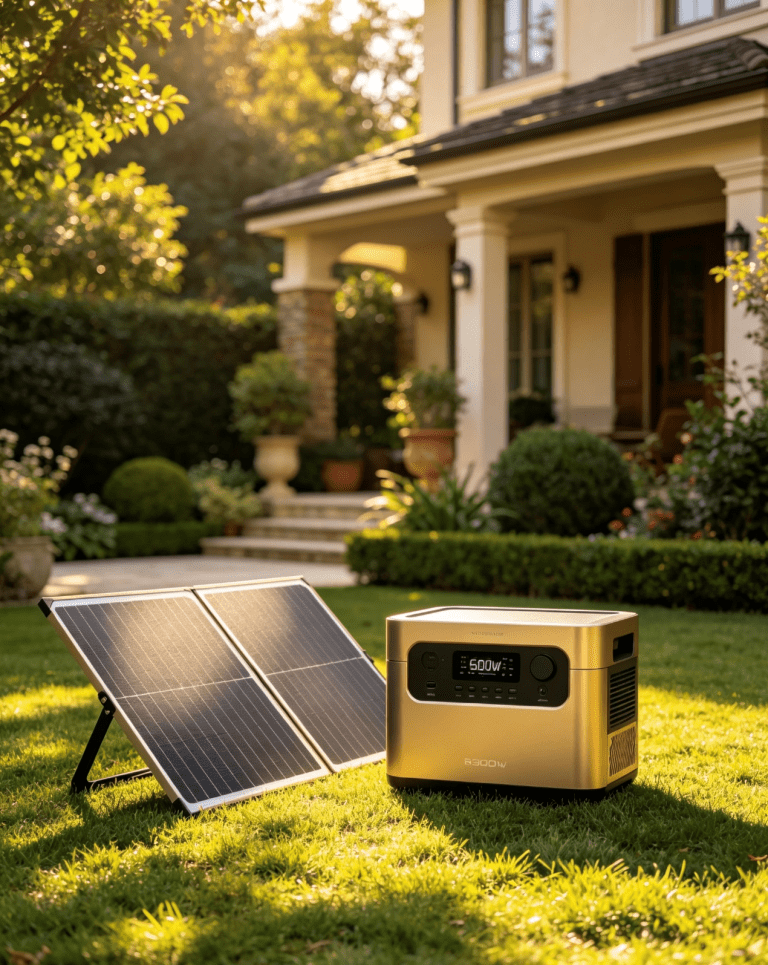
Safety-focused content for using battery power stations indoors during outages, workdays, and standby storage.
Battery power is different from fuel generators
Portable battery stations do not burn gasoline, which makes them far more practical indoors than fuel generators. Customers should still follow product safety guidance, avoid moisture, and keep ventilation clear.
Keep airflow open
Power electronics create heat while charging and discharging. Leave space around the unit, keep vents clear, and avoid enclosing the station inside cabinets or tight corners during heavy use.
Use proper cables
Damaged extension cords, overloaded strips, and poor adapters can create risk. Customers should use quality cables rated for the load and avoid daisy-chaining multiple power strips.
Store smart
For standby use, store the power station in a dry indoor location away from direct heat. Periodically check battery level according to the manufacturer instructions.
Know the limits
A portable power station can support many essentials, but it should not be treated like a full home electrical system. Customers should match loads carefully and avoid unsafe wiring practices.
Bottom line: A well-chosen portable power station gives customers practical energy security without overcomplicating daily use. Match capacity, output, battery chemistry, and charging options to the real job.